How to Eat Sushi the Right Way?
While sushi tasting has become increasingly popular in Western countries, we often tend to overlook all its subtleties!
While sushi tasting has become increasingly popular in Western countries, we often tend to overlook all its subtleties ! Indeed, savoring sushi according to Japanese traditions requires a certain delicacy. From the use of chopsticks to the accompaniments, and the order, art, and manner of enjoying sushi… We share all the secrets of tasting this famous Japanese dish ! Discover how to eat sushi like in Japan !
With or without chopsticks ?
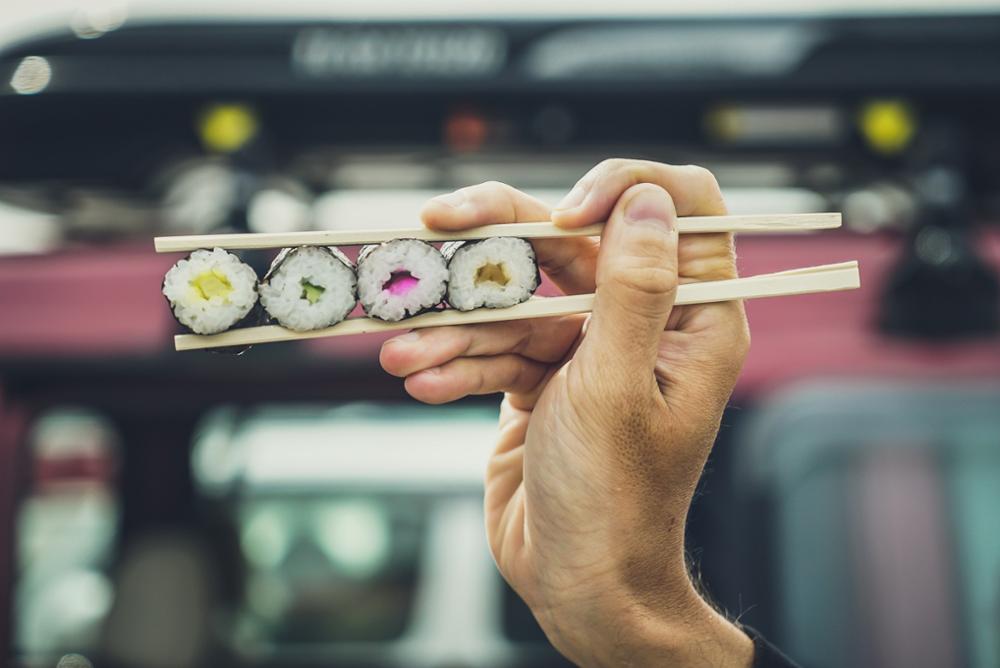
The first thing to know when you want to eat sushi the right way is that you don't need to use chopsticks ! As surprising as it may seem, tradition holds that sushi should be enjoyed directly with your hands. This allows you to fully appreciate the texture and flavors of this delicate dish. Of course, if you enjoy using chopsticks, there's nothing stopping you. But make sure you know how to use them properly and never stick them into the sushi. This could offend the chef ! Similarly, it's unthinkable to use a fork and knife.
In any case, you must wash your hands before sitting down to eat ! To do this, Japanese restaurants often provide their customers with oshibori (hot towels).
The use of soy sauce
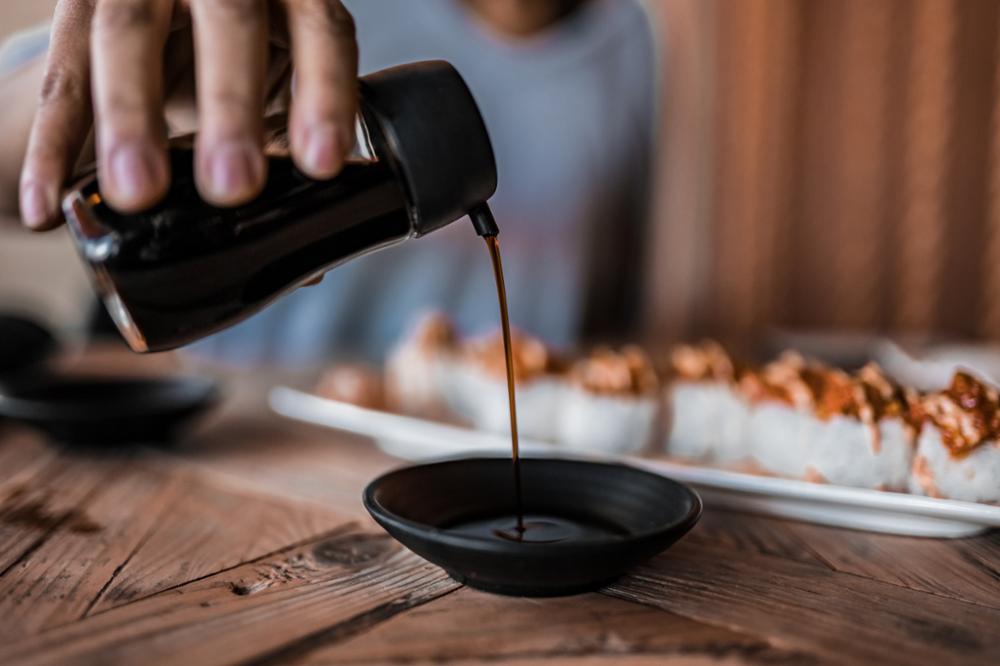
Once again, you may be surprised to learn that soy sauce should be used very sparingly when tasting sushi. Indeed, soy sauce is traditionally reserved for the rice bowl and not for the sushi itself. Similarly, it's common to use salted soy sauce rather than sweet soy sauce ! In any case, you should never dip your sushi into the sauce on the rice side but rather on the fish side. Otherwise, you risk drowning the rice and thus disrupting the balance of flavors !
The role of wasabi and pickled ginger
If you want to eat sushi like a Japanese person would, you need to know that the use of wasabi and pickled ginger has nothing to do with what one might imagine ! Wasabi should never be mixed into soy sauce. For great chefs, it's even considered a sacrilege because it suggests that their preparations lack flavor ! All the more so since some sushi already contain it !
Similarly, pickled ginger is not enjoyed whenever you please. It actually plays a role during sushi tasting. Pickled ginger is enjoyed between each different course or at the end of the meal. Indeed, it allows you to cleanse your palate to better enjoy the flavors of the upcoming dishes. Between two different types of sushi.
Eating sushi according to Japanese traditions
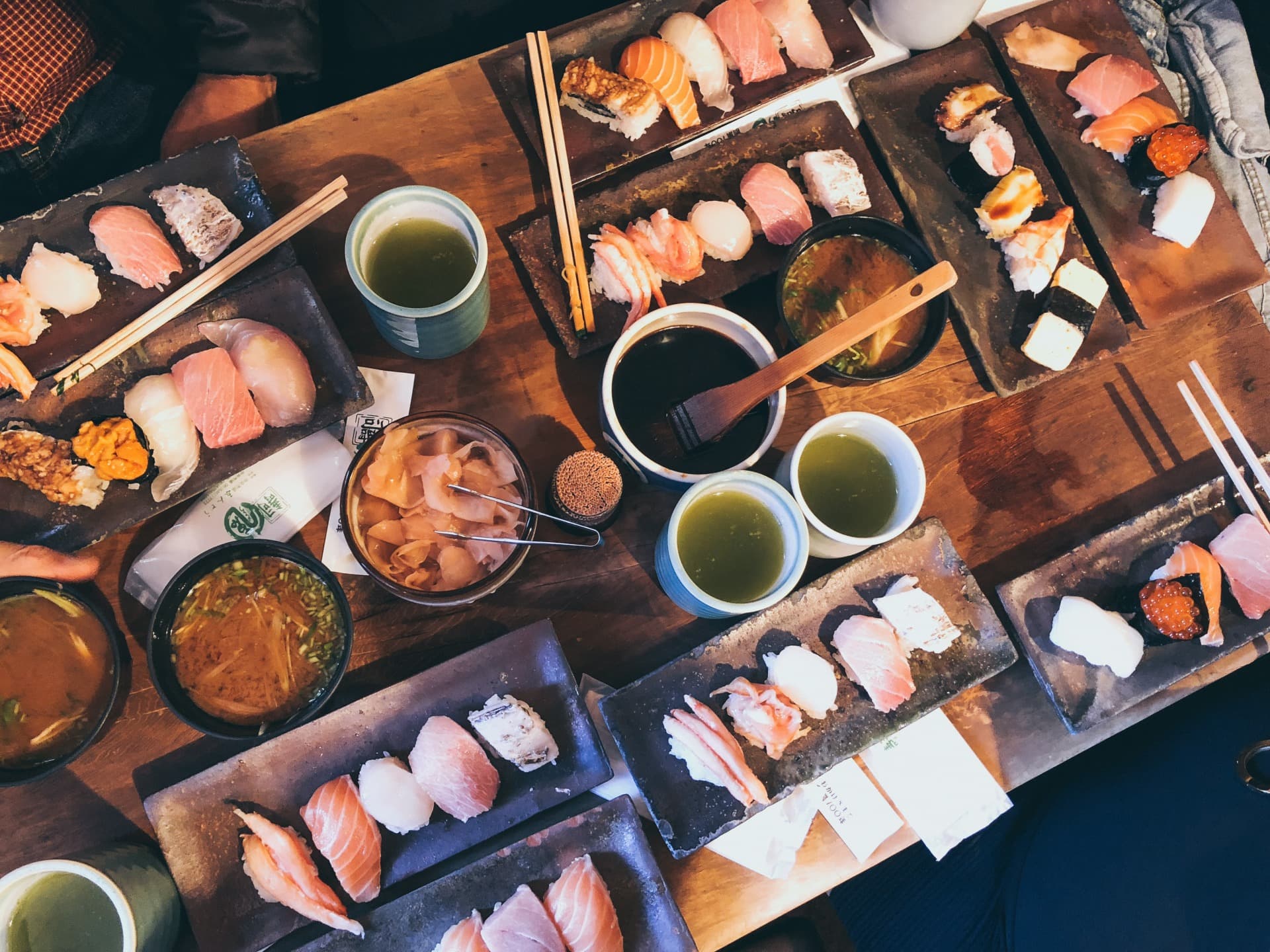
Although some varieties of sushi may appear larger than others, all sushi are prepared to be enjoyed in a single bite ! Don't bite into them or cut them at the risk of appearing very impolite. As for the order of tasting, it's advisable to start with sushi with delicate flavors (sushi made with white fish and light varieties like sea bream or scallops), continue with dishes with more pronounced and rich flavors (sushi made with salmon, tuna, shrimp…) before finishing with a lighter, softer or even slightly sweet sushi like those with eggs.
Now that you know all the golden rules for enjoying sushi like in Japan, all that's left is to wish you bon appétit !
Frequently asked questions
Yes, and it's actually the tradition! In Japan, it's perfectly acceptable — even recommended — to eat sushi directly with your hands to better appreciate their texture. Chopsticks remain a valid option, provided you know how to use them correctly.
Soy sauce should be used sparingly. Dip the sushi on the fish side, never on the rice side to prevent the rice from becoming saturated and falling apart. Also avoid mixing wasabi into soy sauce: it's considered disrespectful to the chef.
Pickled ginger (gari) is not a garnish to be eaten at the same time as the sushi. It's consumed between two different types of sushi to cleanse the palate and allow you to fully appreciate the flavors of each dish.
Japanese tradition recommends starting with sushi with gentle flavors (white fish like sea bream or scallops), then progressing to more intense flavors (salmon, tuna, shrimp) and finishing with lighter or slightly sweet sushi, such as egg sushi.
Yes, regardless of their size, sushi are designed to be enjoyed in a single bite. Biting into them or cutting them is considered impolite in Japanese culture.
Oshibori is a hot towel (or cold in summer) offered by Japanese restaurants before the meal to wash your hands. Its use is particularly important if you choose to eat your sushi with your hands, as tradition dictates.