Japanese Sweets to Taste During a Trip to Japan
It's impossible to miss them—sweets are everywhere in Japan. More than simple indulgences, they play an essential role in the country's culture.
It's impossible to miss them—sweets are everywhere in Japan. More than simple indulgences, they play an essential role in the country's culture. And beyond the traditional tea ceremony, every occasion is a good excuse to treat yourself to little sugary delights. This is why pastries and confectioneries are, for the most part, crafted to be as beautiful as they are delicious! Discover the finest Japanese sweets to absolutely try during a trip to Japan.
1. Dango
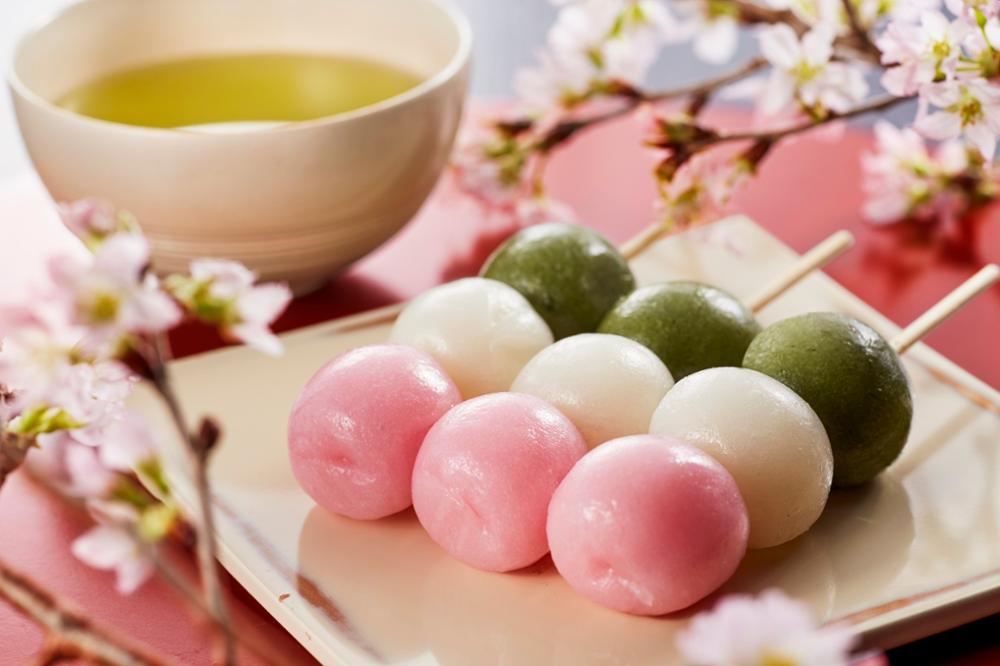
Dango are small balls made from mochi powder (rice paste). Often skewered on bamboo sticks, they're accompanied by bean paste or sweet soy sauce. If you spot them near temples, it's because these treats are sometimes used as offerings during Buddhist ceremonies. One thing is certain: it's one of the most consumed sweets in Japan, and has been for centuries!
2. Monaka
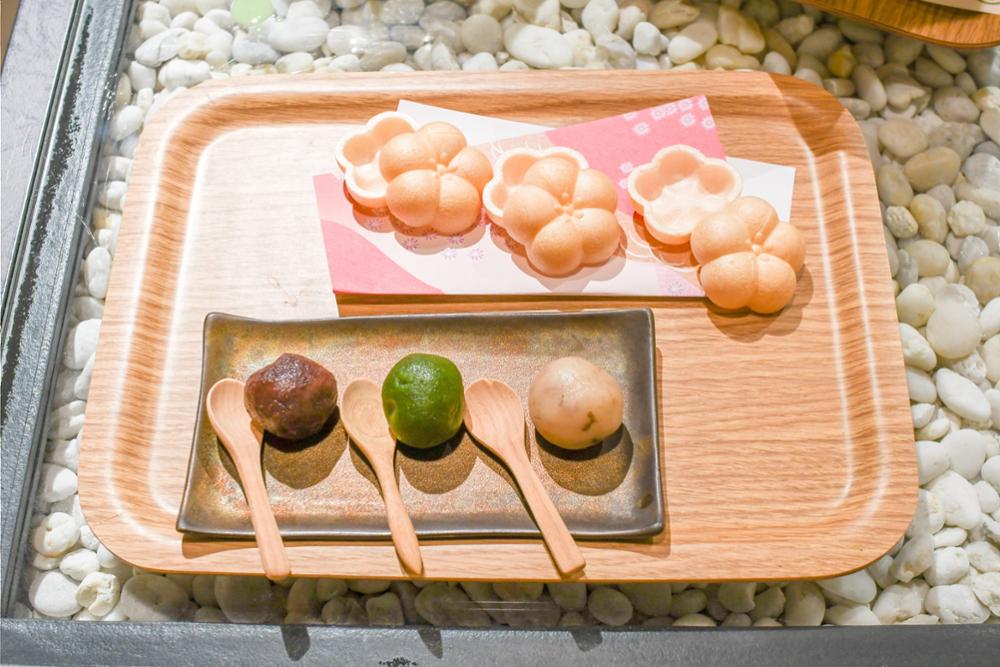
Traditionally served during the tea ceremony, monaka is a pastry consisting of two crispy wafer-like cookies filled with sweet red azuki bean paste. Sometimes the filling can be replaced with mochi, sesame jam, hazelnuts, and more.
3. Wagashi
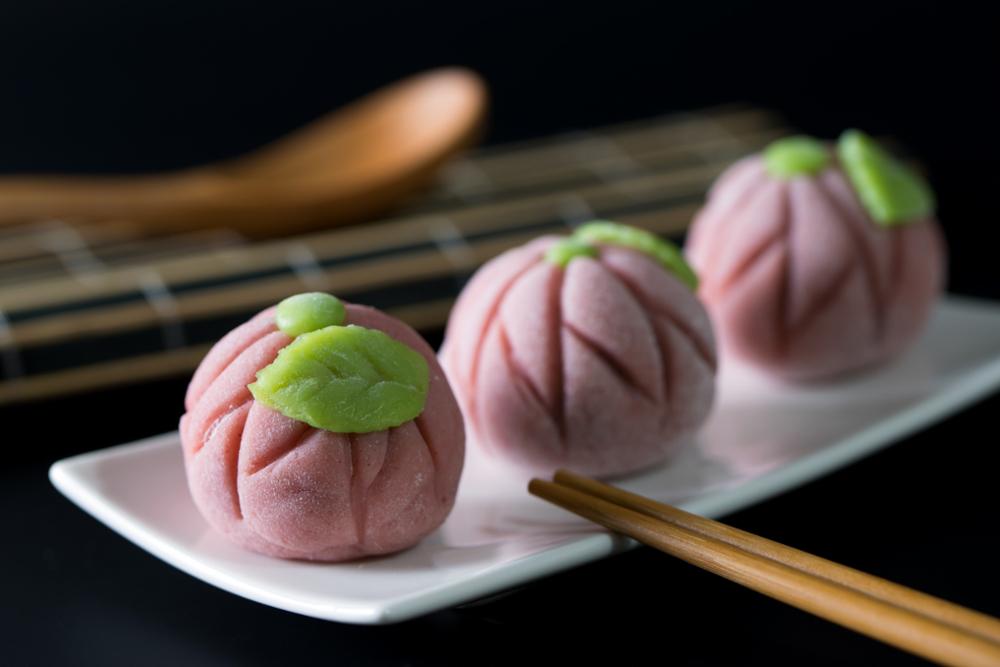
More than mere sweets, wagashi are true culinary creations. Once again, the main ingredients are mochi and anko (sweet bean paste). These bite-sized pastries take on different forms according to the four seasons of the year. And of course, floral motifs are predominantly featured. Because they require considerable skill, wagashi are among the most refined pastries in Japan!
4. Karinto
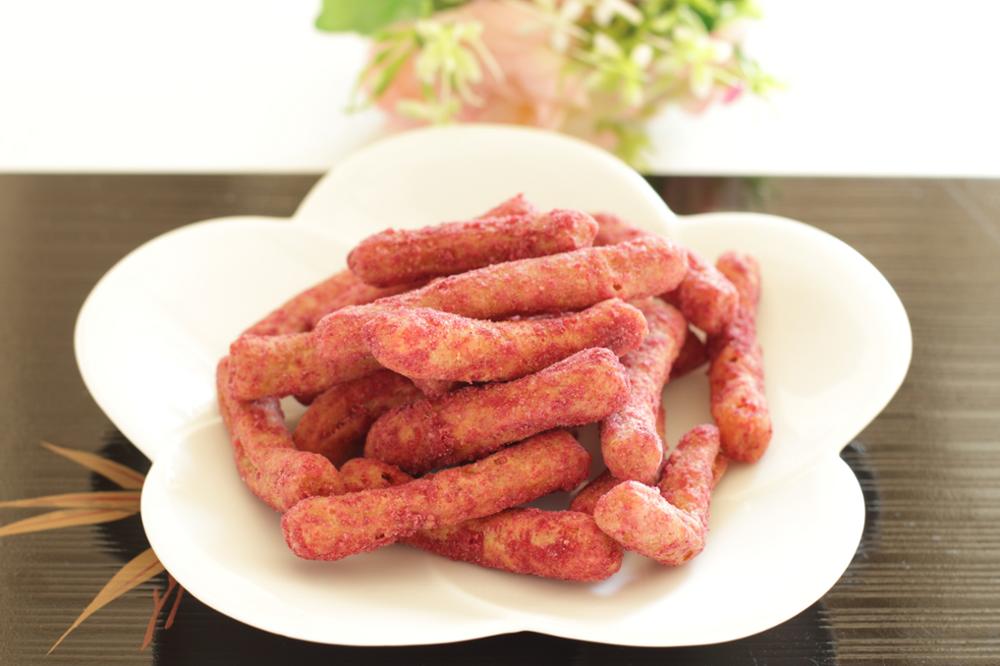
Unlike the previous treats, the appearance of karinto is nothing exceptional. In fact, it doesn't look particularly appetizing. Yet these crispy biscuits are a real delight! They're made with wheat flour and their color comes from the syrup that caramelizes them! Fair warning: once you start, you'll find it hard to stop!
5. Taiyaki
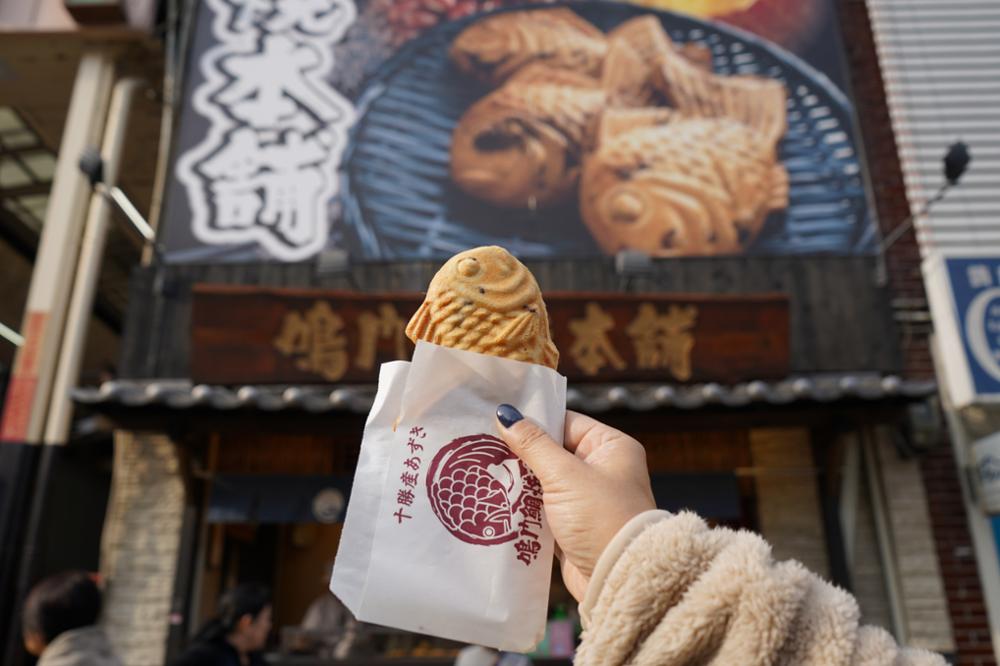
Instantly recognizable, taiyaki is a Japanese cake shaped like a fish. Inside the waffle batter, the filling is—time and again—red bean paste. But you'll also find versions filled with chocolate, vanilla cream, or the famous matcha tea, another quintessential Japanese flavor.
6. Kiriame
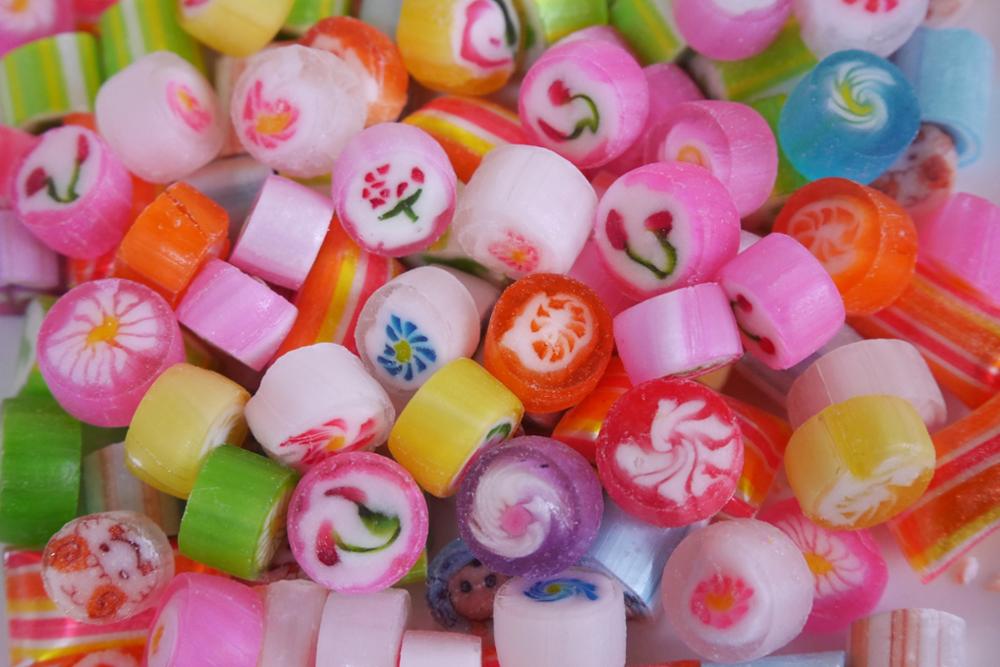
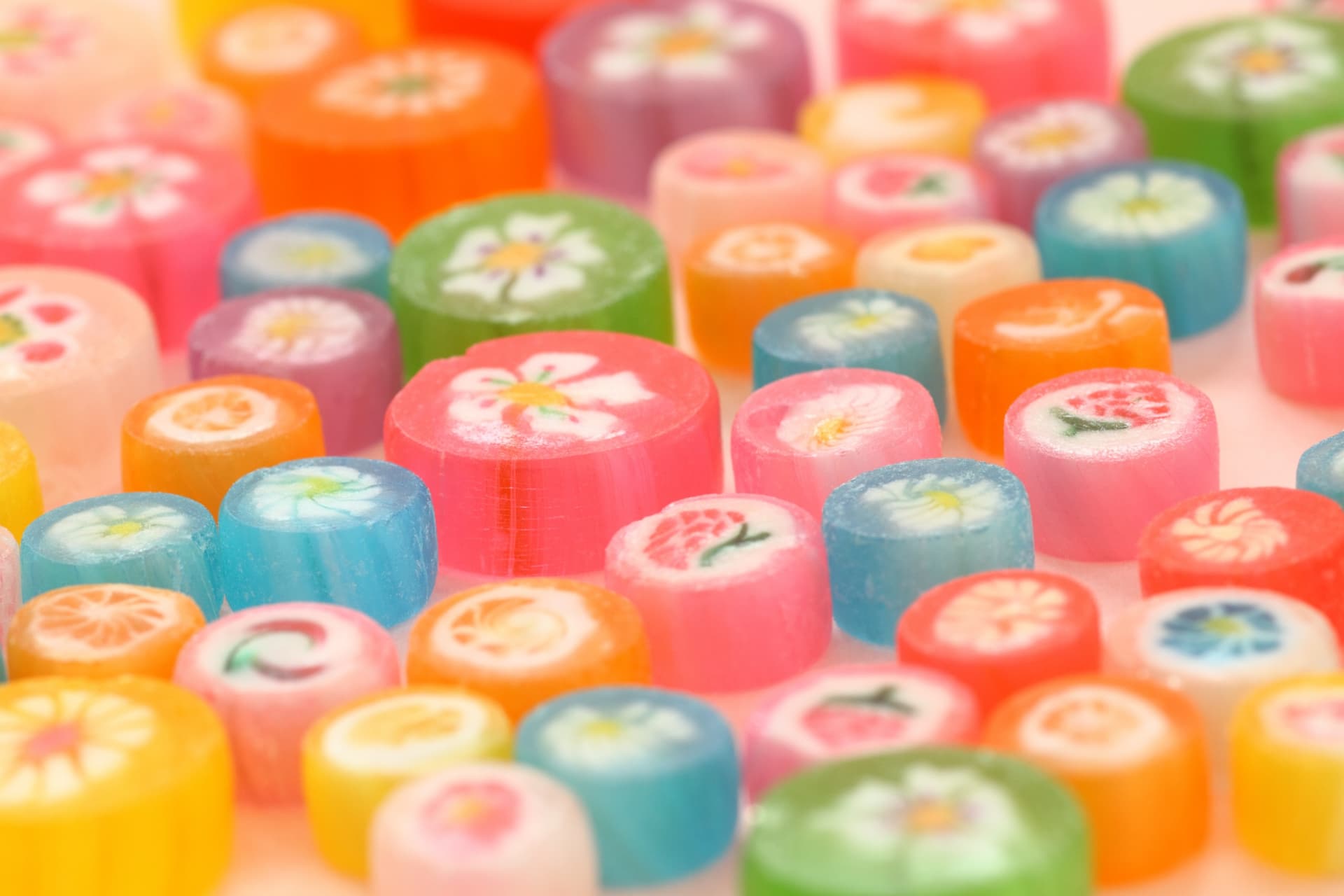
Whether you have a sweet tooth or still possess a child's wonder, one thing is certain—you'll love kiriame! These artisanal candies are multicolored confectionery strips that, once cut, reveal various patterns and beloved characters. They're the most cherished sweets among children (and not just children!) in Japan!
7. Melon Pan
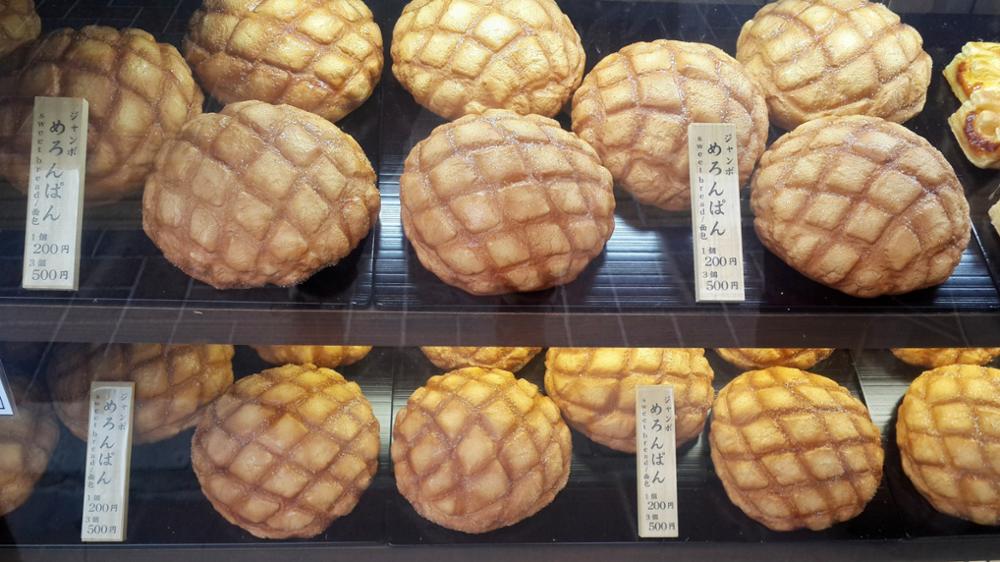
A bakery specialty in Japan, melon pan is essentially a simple brioche. What sets it apart? Its crust that resembles a cookie and evokes the surface of a cantaloupe melon (hence its name). This treat can be filled with red beans of course, but also with chocolate or fruit! In other words, there's something for every taste.
8. Kit-Kat
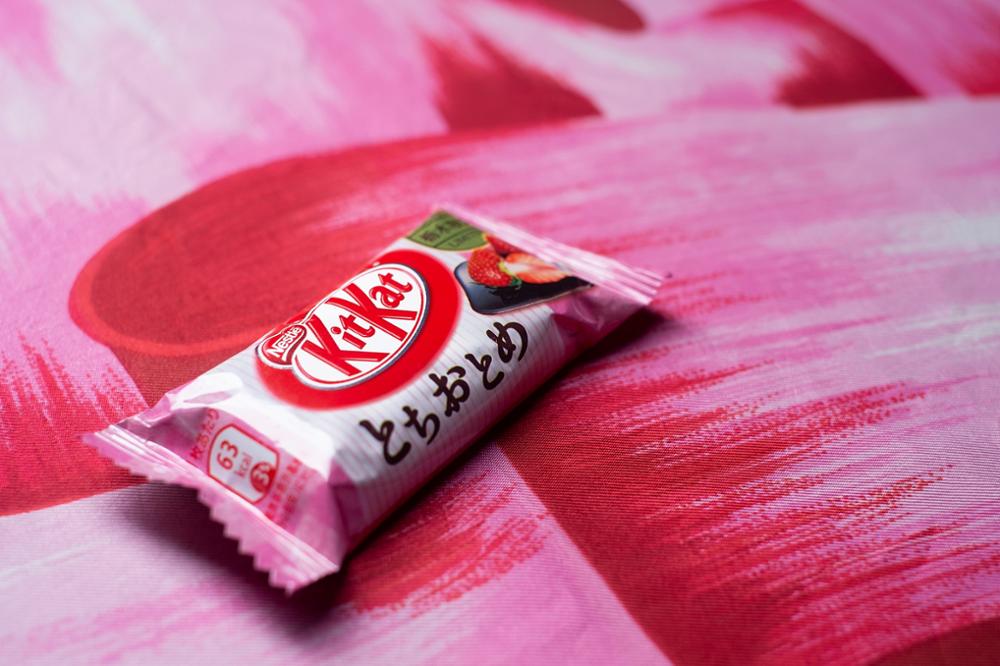
Wondering what Kit-Kat is doing on this list? Well, simply because these crispy bars have become genuine institutions in Japan. Beyond traditional flavors, you'll find unusual and unique flavors found nowhere else. Such is the case with versions in wasabi, strawberry, matcha tea, sweet potato, and sesame flavors. There's even a dedicated shop: the Kit Kat Chocolatry!
Did you know? In Japanese, 'Kit Kat' is pronounced similarly to 'Kitto Katsu', which means 'you will surely win' or 'good luck'. Thus, it's not uncommon to see Japanese people (often students) bring their favorite Kit-Kats to exams, interviews, and other important events. Because these sweets are believed to bring luck… All that's left is for you to try them!
Frequently asked questions
Japanese sweets like dango, wagashi, and taiyaki are easily found in traditional markets (such as Nakamise in Asakusa, Tokyo), specialty Japanese pastry shops, and convenience stores (7-Eleven, Lawson, FamilyMart) that also offer modern versions like locally-flavored Kit-Kats.
Mochi is a sticky rice paste obtained by pounding cooked rice. Its chewy and elastic texture is highly appreciated in Japanese culture. It forms the base of many sweets like dango, wagashi, and monaka fillings. It has been used for centuries in Japanese ceremonies and offerings.
Most traditional Japanese sweets (dango, wagashi, monaka, red bean taiyaki) are plant-based and suitable for vegetarians. However, some preparations may contain eggs or milk (taiyaki wafer batter, vanilla cream). It's advisable to check ingredients, especially for chocolate-filled or cream-filled versions.
In Japanese, 'Kit Kat' is pronounced similarly to 'Kitto Katsu', an expression meaning 'you will surely win' or 'good luck'. This phonetic coincidence transformed these chocolate bars into a popular good luck charm, especially among students before exams. Nestle Japan has capitalized on this symbolism by offering special editions and a dedicated shop, the Kit Kat Chocolatory.
Wagashi are traditional Japanese confections considered a culinary art form in their own right. Unlike everyday pastries, they are hand-crafted with meticulous care to reflect the seasons, nature, and Japanese festivals. Their floral motifs and delicate colors make them edible works of art, served during the tea ceremony to balance the bitterness of matcha.
Yes, most dry Japanese sweets like karinto, Kit-Kats, packaged monaka, or dehydrated dango travel easily. Fresh sweets (hot taiyaki, fresh dango) have a short shelf life. Specialty shops often offer gift-wrapped versions (omiyage) specifically designed to be brought home. Check your country's customs regulations for food products.