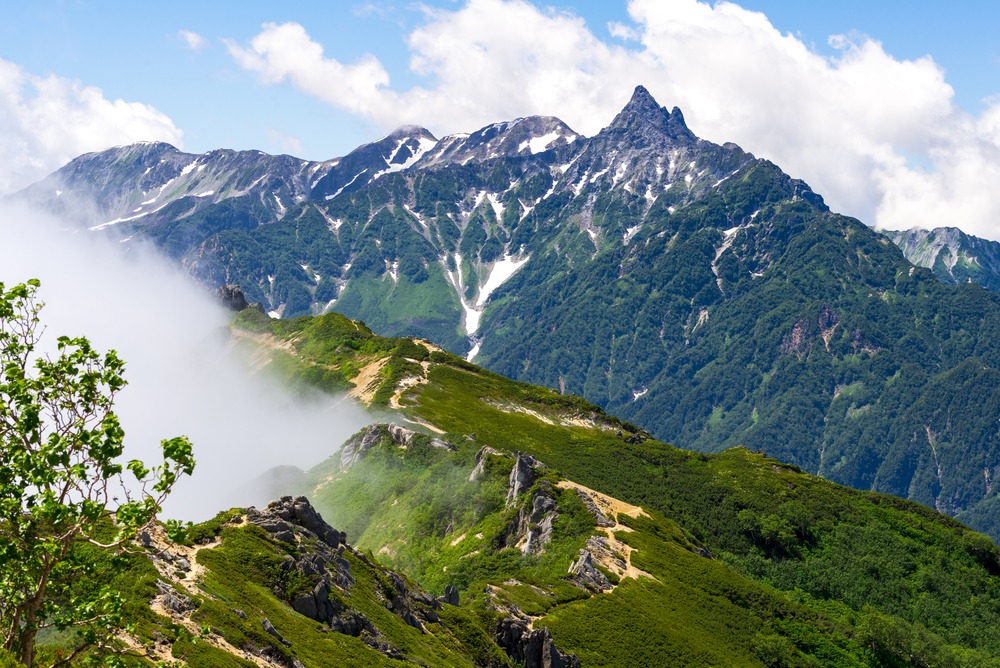
Kumano Kodo, Japan's Camino de Santiago
Walking one of the Kumano Kodo routes means treading in the footsteps of Japanese pilgrims who have crossed the Kii Peninsula for over 1,000 years in pursuit of spiritual elevation.
Walking one of the Kumano Kodo routes means treading in the footsteps of Japanese pilgrims who have crossed the Kii Peninsula for over 1,000 years in pursuit of spiritual elevation. Along the way, moss-covered stone paths lead hikers through cedar forests, sacred mountains, and the Kumano Sanzan shrines. Whether you are a believer or not, this Japanese Camino de Santiago is bound to surprise you…
A pilgrimage site for over 1,000 years…
The Kumano Kodo, also called Kumano Sankeimichi, is not a single path. It is in fact a network of ancient pilgrimage trails in Japan. Originally, this web of paths was used by the imperial family, monks, samurai, and Japan's common people. All came to reach the Kii Mountains while taking care to stop at various waypoints to perform rituals at the sacred shrines and temples of Kumano Sanzan.
While some trails have disappeared over time, there remain no fewer than 7 itineraries to discover these spiritual places and enjoy breathtaking landscapes. Crossing mountains, forests, and waterfalls… The Kumano Kodo trails offer an experience of timeless travel. These reasons led to their inscription on the UNESCO World Heritage List in 2004, making it the second pilgrimage route recognized by the organization after the Way of St. James (Camino de Santiago).
The Nakahechi Route
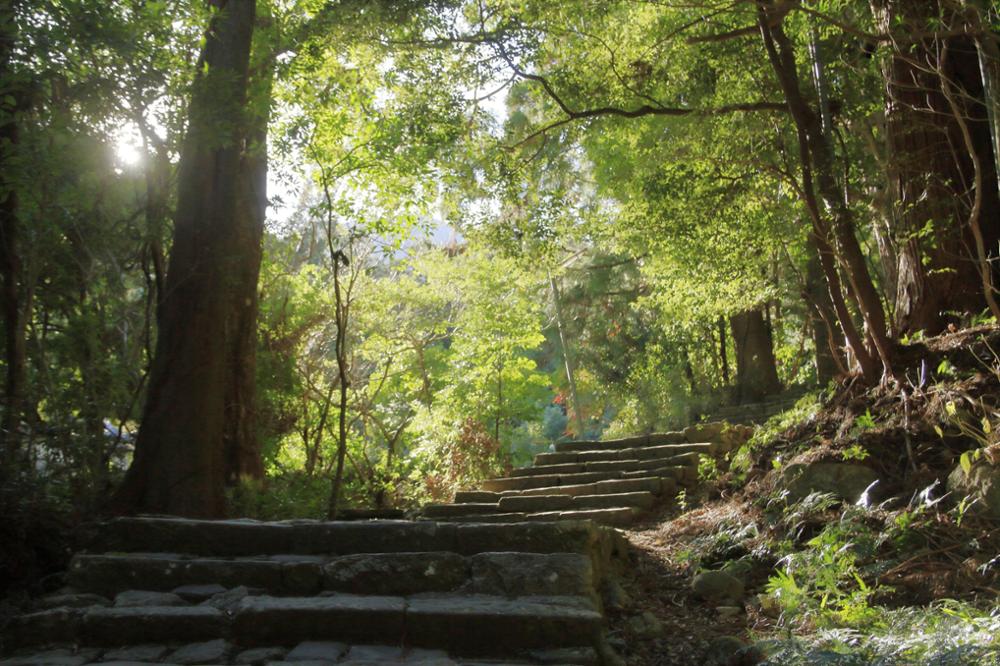
Known as the imperial route, the Nakahechi route is historically the most popular. Starting from Kyoto, pilgrims have used it (and continue to use it) to reach the famous Kumano Sanzan, the three sacred shrines of Kumano: Hongu Taisha, Hayatama Taisha, and Nachi Taisha. The path crosses the Kii Peninsula from east to west. It begins at Takijori-ori at the Hongu Taisha shrine and then divides into two sections. The first crosses the mountains toward the southeast to Nachi Taisha and its sublime 436-foot waterfall, the Nachi Falls. The second follows the Kumano-gawa Sankeimichi river for 25 miles by boat to Kumano Hayatama Taisha. This is actually the unique water-based pilgrimage route!
One thing is certain: the Nakahechi route is the most accessible due to its popularity over the years. Throughout the route, you'll have no trouble finding traditional inns, called ryokans, where you can rest between stages!
The Ohechi Route
The Ohechi route is considered Kumano's coastal path. It connects the city of Tanabe to Nachi Taisha by way of Kushimoto and the famous Kumano Sanzan. With the construction of modern roads, some sections of the Ohechi route have disappeared. Nevertheless, the remaining portions remain no less spectacular. In addition to religious and sacred sites, you'll see breathtaking views of the Pacific Ocean. Panoramic views that have even inspired many artists…
The Kohechi Route
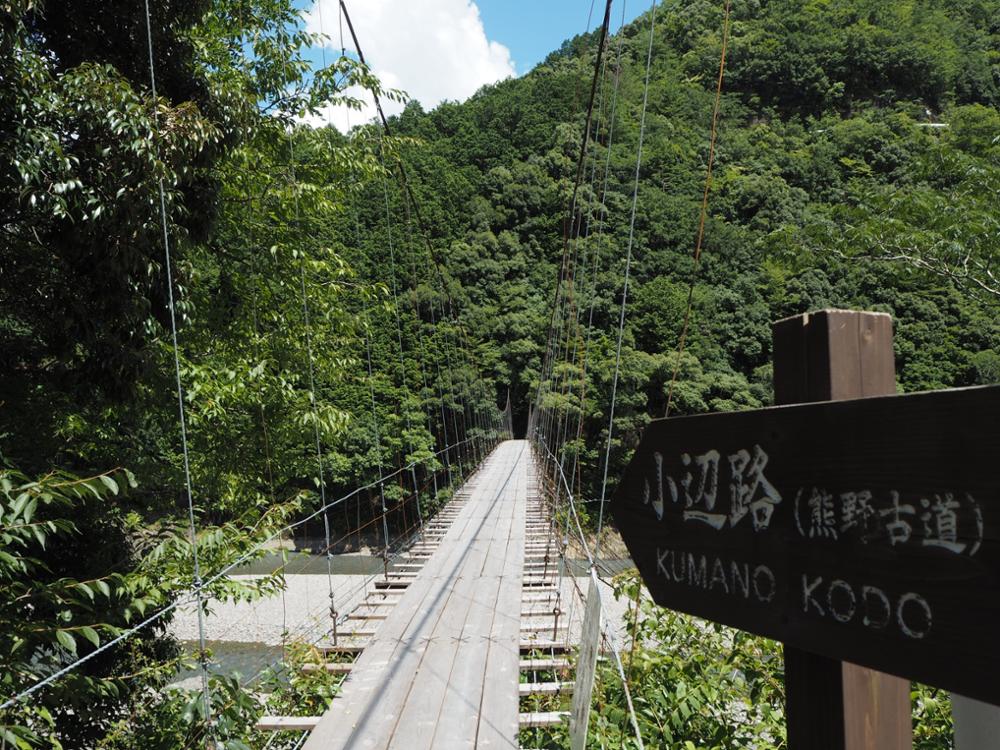
This is the shortest route of Kumano Kodo. Because it crosses the Kii Peninsula from north to south over 43 miles, the Kohechi route directly connects the Koyasan complex to Kumano Sanzan. But don't be fooled by appearances—it's one of the most difficult to complete! With three mountain passes exceeding 3,300 feet in elevation, you'll want to be well prepared before taking on this challenge…
The Iseji Route
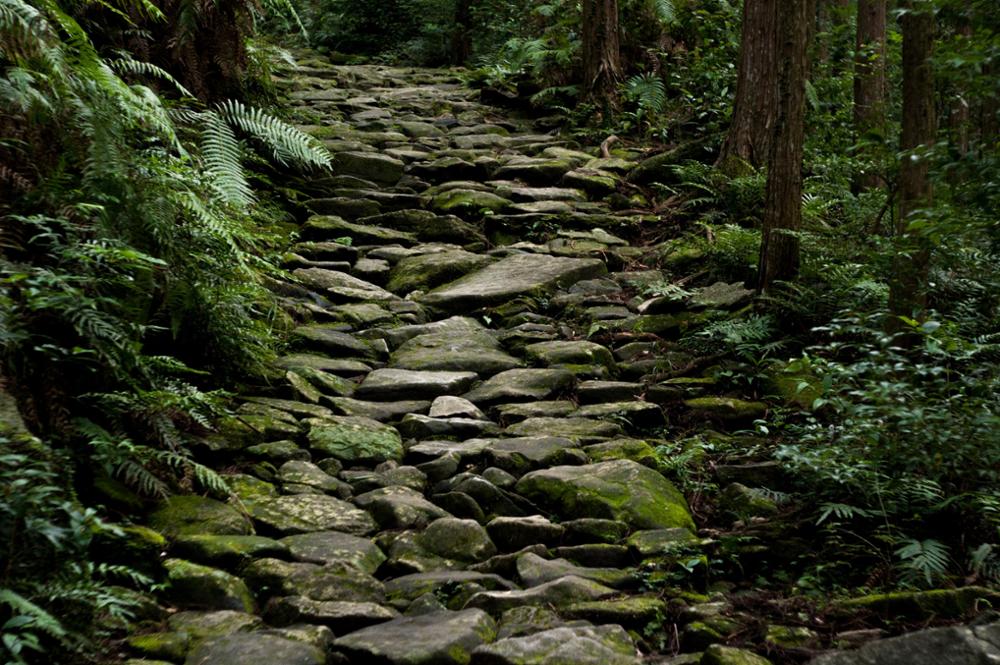
The Iseji route connects the Ise shrine to those of Kumano Sanzan. Built in the early 8th century by En-no-Gyoja, it is a major site of spirituality for Yamabushi, Shugendo monks. As with the Ohechi route, many sections of the trail have been replaced by new infrastructure. However, there are still many picturesque passages to discover, such as the Magose to Owase passage or the Matsumoto to Kumano passage.
The Omine Okugake Route
Connecting Kumano via Mount Omine, the Omine Okugake route is also a trail reputed to be difficult! Indeed, it traverses isolated and restricted mountain paths. This is why it is recommended only for experienced hikers. Once again, it is a site dedicated to the ascetic practices of the Shugendo cult. A great way to learn more about this ancient Japanese spiritual tradition…
Frequently asked questions
Kumano Kodo is a network of ancient pilgrimage trails located on the Kii Peninsula in Japan, walked for over 1,000 years. It is called Japan's 'Camino de Santiago' because it is one of only two pilgrimage routes in the world inscribed on the UNESCO World Heritage List, alongside the Way of St. James (Camino de Santiago) in Spain.
Kumano Kodo comprises 7 main itineraries. For beginners, the Nakahechi route (imperial route) is the most recommended as it is the most popular and best equipped with traditional accommodations (ryokans) throughout the journey.
Spring (April-May) and autumn (October-November) are generally the best times to hike Kumano Kodo, thanks to pleasant temperatures and spectacular scenery. Summer can be very hot and humid, while some high-altitude trails are snow-covered in winter.
No, Kumano Kodo is open to everyone, believers and non-believers alike. Although it is a spiritual and religious pilgrimage route, hikers from around the world walk it for the beauty of the landscapes, cultural richness, and meditative dimension of the journey. However, it is important to respect the customs and traditions of the sacred places you pass through.
The three sacred shrines of Kumano Sanzan are: Kumano Hongu Taisha, Kumano Hayatama Taisha, and Kumano Nachi Taisha. The latter is particularly famous for its proximity to the Nachi Falls, a 436-foot waterfall—one of Japan's tallest.
From Osaka or Kyoto, you can reach the city of Tanabe (starting point for several routes) by express train (Kuroshio) in approximately 2.5 hours. Local buses then provide access to the various trailheads. It is advisable to consult the Kumano Tourism Bureau to plan your itinerary.