Christmas in Japan: What Are the Traditions?
Dreaming of spending Christmas in Japan? Excellent idea! But before you go, discover the traditions of this celebration—less religious than festive, both similar to and different from Western Christmas…
Dreaming of spending Christmas in Japan? Excellent idea! But before you go, discover the traditions of this celebration—less religious than festive, both similar to and different from Western Christmas… Christmas Eve at KFC, illuminations, gift-giving traditions, Christmas parades: discover the magic of kurisumasu – Christmas!
Is Christmas Celebrated in Japan?
Origins of the Celebration in Japan
Although it is considered a national holiday, Christmas is not a true traditional celebration, as only 1% of Japan's population is Christian! Christmas was brought to the Land of the Rising Sun during the Meiji era (1868-1912)—when Japan reopened to the West.
Yet the celebration didn't truly take off until much later, after World War II. Why? First, the death of Emperor Taishō Tenn on December 25, 1926… From then on, this date was designated as a public holiday, where celebrations and demonstrations were discouraged. Second, because Christmas was associated with America and was therefore not widely appreciated.
A Reimagined Christmas
At the end of World War II, Christmas made a comeback with the arrival of American Christian missionaries. Since then, the celebration has been observed… in a reimagined way—with no connection to Christianity whatsoever. In fact, Christmas is considered more of a festive season.
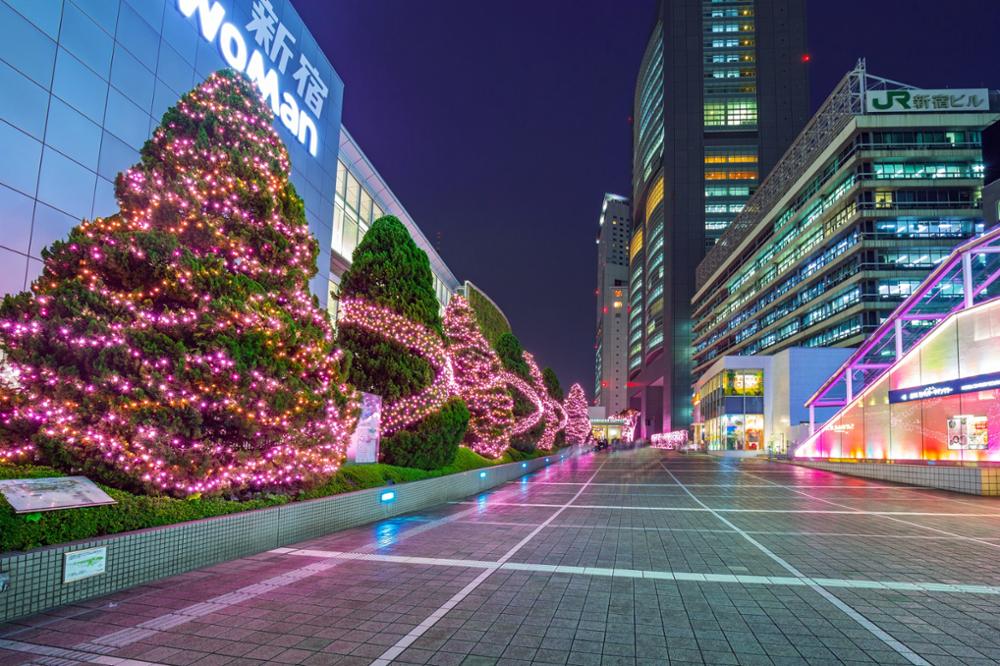
From the end of October onwards (right after Halloween!), shop windows begin to sparkle with countless lights, and Christmas trees take their place in parks, shopping malls, and homes—decorating the tree is a convivial, family-bonding moment that Japanese families cherish.
How Is Christmas Celebrated in Japan?
December 24th in Japan
With a Loved One
Contrary to Western expectations: December 24th is considered a Valentine's Day of sorts in Japan! Far from the traditional Christmas Eve vigil, the 24th is associated with one's beloved (or a dear person). Like a Christmas television movie, it's an opportunity to stroll hand in hand, admire the decorations, or go ice skating, before heading out for KFC—more on that later!
Regardless of the restaurant type, all are stormed on this date. A tip? If you want to dine out on December 24th and soak in the excitement of the evening: make reservations several months in advance.
Speed Dating
Placed under the sign of love, December 24th is also a celebration dedicated to singles. Throughout the evening, speed-dating events and private parties are organized in all the major cities of the archipelago to help Japanese people find their soulmate!
With Friends
December 24th is also an occasion to celebrate with friends—this evening actually resembles more the Western New Year's Eve celebration. Indeed, many teenagers and young adults gather to party.
December 25th
Stripped of its religious aspect (you won't see nativity scenes in Japan during this period), December 25th has no particular significance. It is not a public holiday nor a date when gifts are unwrapped… So when, then?
Santa San and Gift-Giving
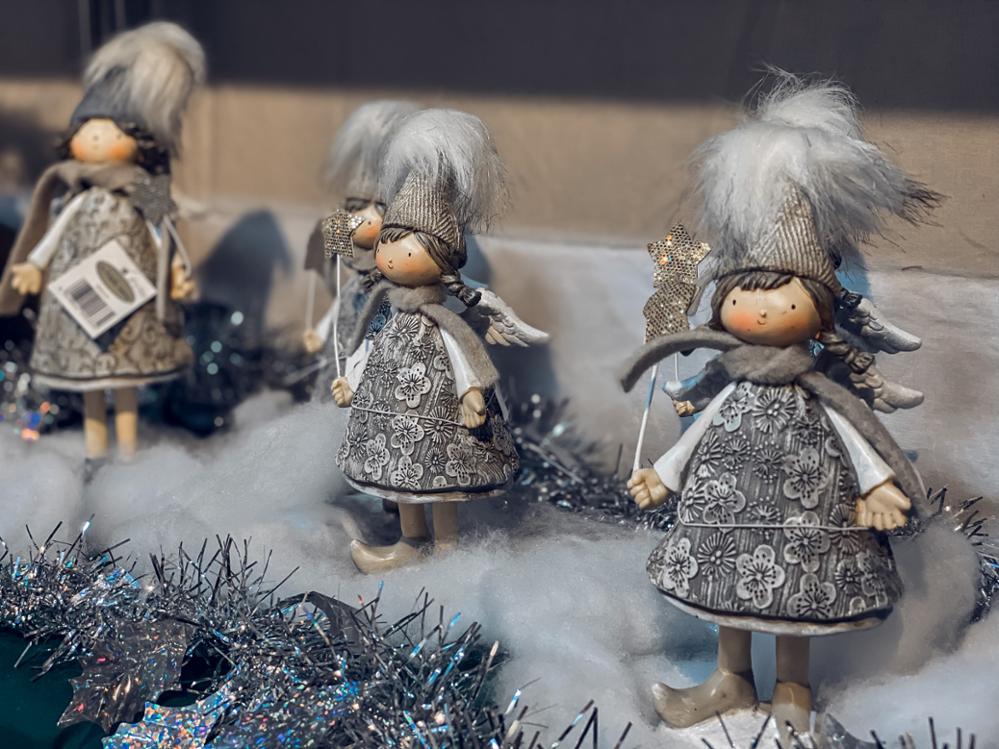
In Japan, there are two periods dedicated to gift-giving: o-chûgen (in summer) and o-seibo (at year's end). If the exchange of seibo gifts occurs in December, it has nothing to do with Christmas (and is rather conducted in a professional context, as a token of gratitude).
Although Santa Claus exists in Japan as well (Santa San), he is mainly an animated character for shopping malls…. Placing gifts at the foot of the tree is simply not a Christmas custom in Japan.
The New Year's Eve Celebration In contrast to the West, Japanese New Year is celebrated with family, around a traditional meal. On this occasion, each child receives an envelope containing money (Otoshidama). These gifts are given until they become financially independent—and are able to distribute money to children in their circle in turn. |
What Are the (Unusual) Christmas Traditions in Japan?
Dinner at KFC
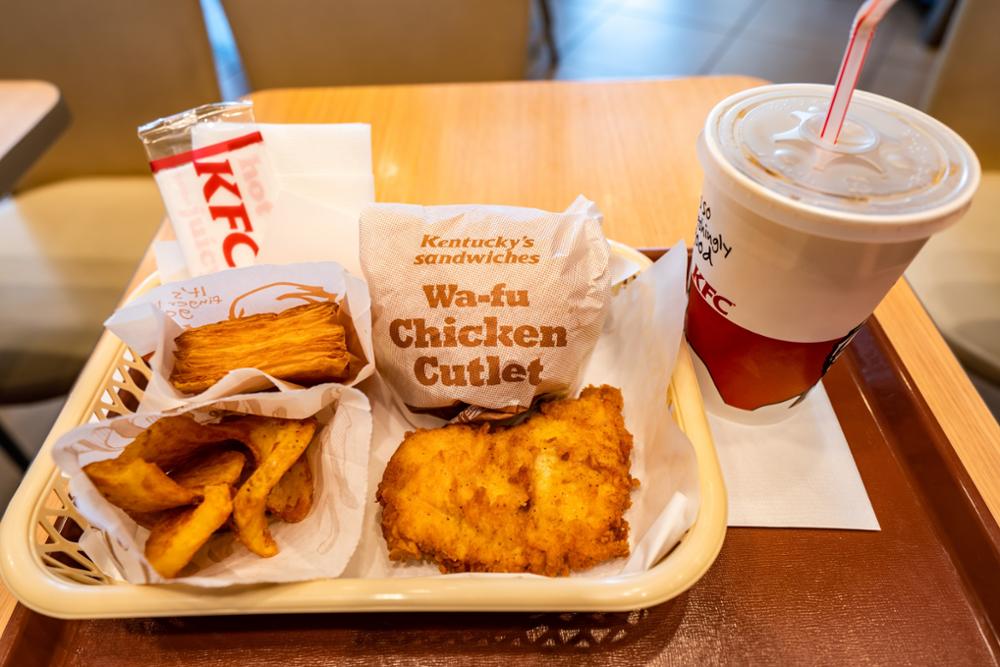
On December 24th, it is customary to dine at KFC! On the menu? Buckets of fried chicken (or whole fried chicken, drawing a parallel with traditional Christmas turkey)…, traditional Japanese cake, and if desired, a bottle of champagne—all presented in a "Western package."
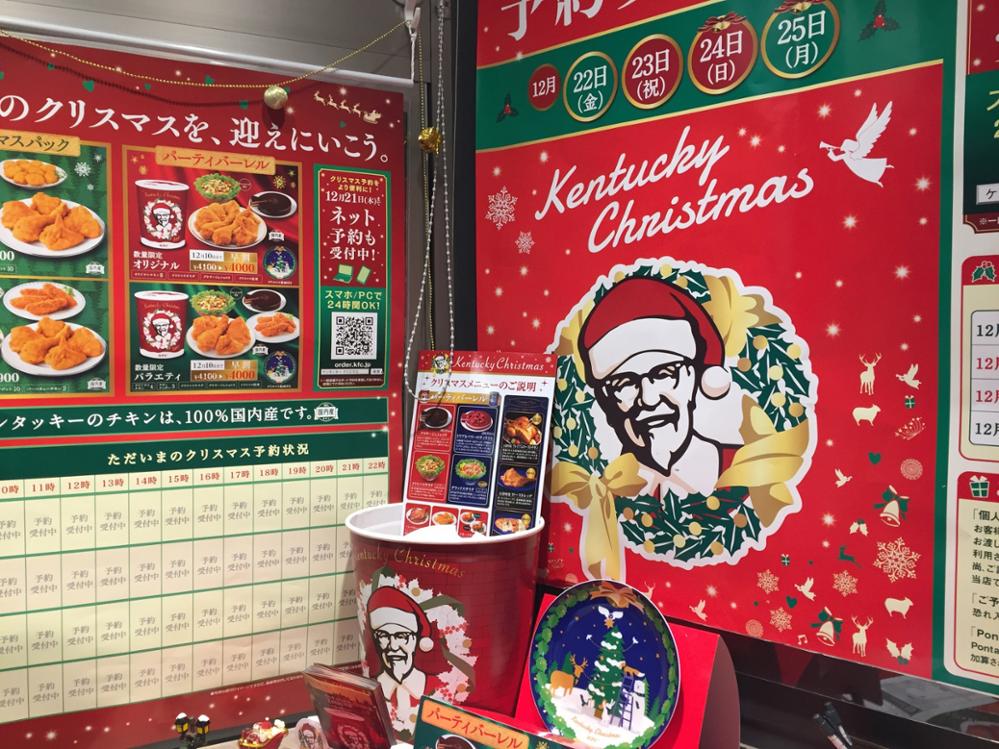
The origin of this unusual tradition? A clever marketing campaign by KFC in the 1970s. Keen to establish itself in Japan, the chain worked hard to associate Christmas & KFC in the Japanese consciousness… Mission accomplished! Today, it is necessary to order your KFC meal three months in advance to ensure you have your Christmas menu on the evening of December 24th!
A Christmas Cake with Strawberries
For Christmas, the Japanese have a special cake, served only on this occasion (like the Yule log in the West). It is a light, spongy cake, frosted with whipped cream and decorated with strawberries: two colors chosen deliberately as they evoke the signature colors of Christmas and are associated with luxury.
Depending on the recipe, this dessert can be filled with seasonal fruits or chocolate. If you're not a fan of strawberry cakes, know that traditional Japanese pastries are also celebrated during the Christmas period. You'll notably have the chance to taste delicious cakes made with red beans.
The Disney Parade
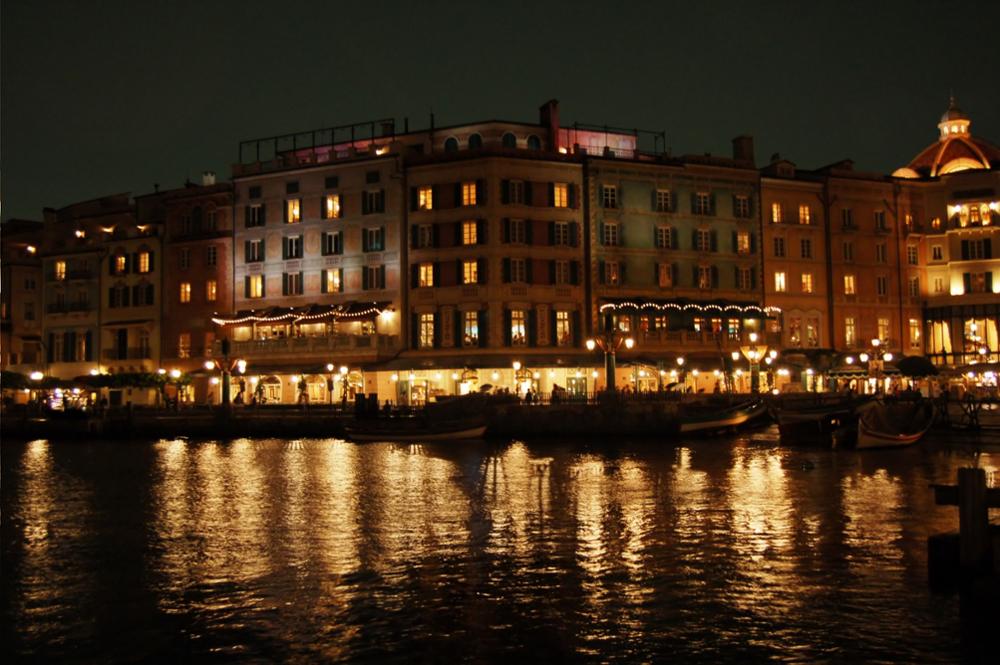
One of the must-do activities at Christmas is visiting Tokyo Disneyland or DisneySea (a second theme park opened in 2001, highly favored by the Japanese). During the holidays, these parks are renowned for their fairy-tale atmosphere and special events, such as parades—whose themes change each year.
Even more than usual, the venues are magical and animated with choreography, music… and a few appearances by Santa Claus. Be warned: if you want to enjoy the magic of these places with your children, you will have no choice but to face the crowds (very large) on December 24th and 25th, as illuminations are removed from December 26th onwards to prepare for the New Year!
Admiring Illuminations and Visiting Markets
The Illuminations
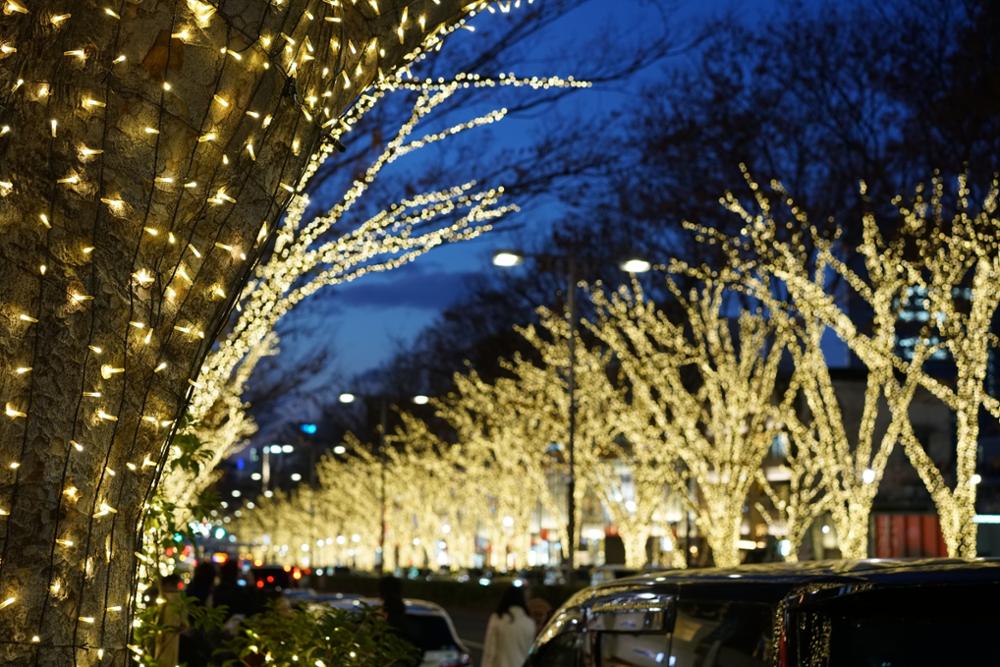
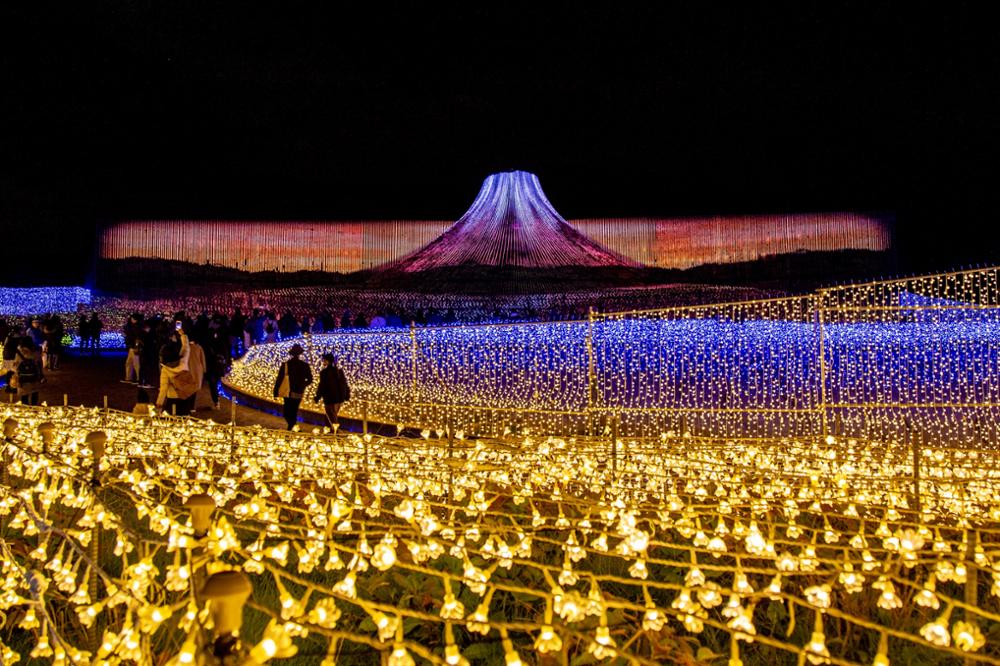
Decorations are an integral part of Christmas celebrations (and perhaps even more so than in traditional Western Christmas). Associated with celebration and enchantment, they blanket the entire archipelago and sometimes appear in excessive ways, in parks and storefronts of major retailers (Baccarat crystal, Christmas ornaments created by designers, 15-meter-high trees, etc.).
If you find yourself near the capital during your trip, don't leave without admiring the Christmas illuminations in Tokyo. Beyond the feeling of regressing to childhood, faced with the beauty of certain locations (such as the Shibuya Blue Cave), it is also an opportunity to visit unusual addresses, opened exceptionally during the holidays (and to enjoy panoramic views normally closed to the general public).
Christmas Markets
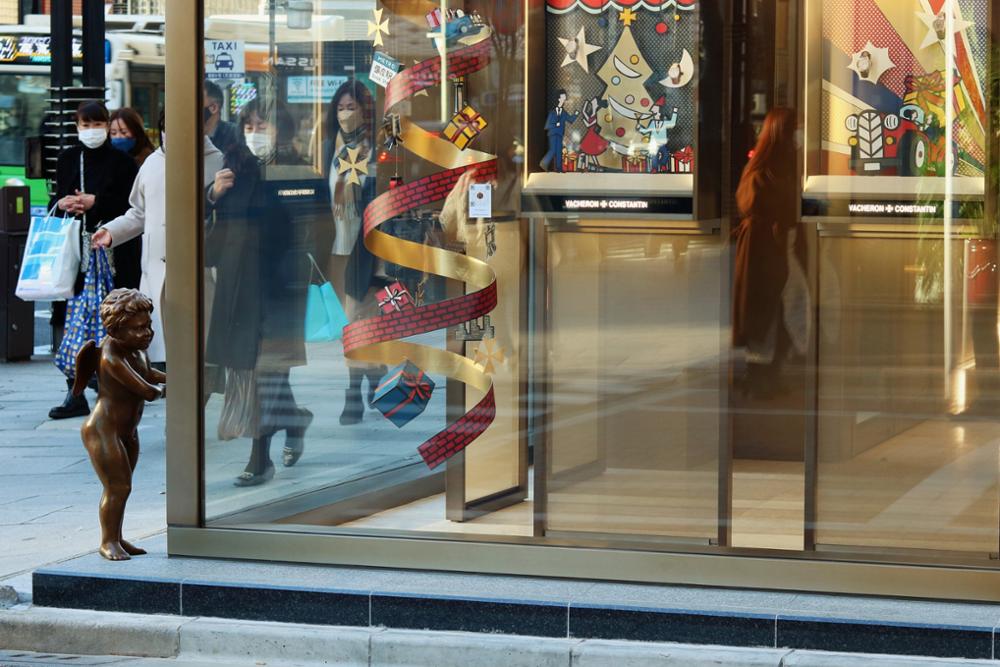
During your walks, take time to browse Christmas markets. Numerous stalls offer mulled wine, gingerbread, and European specialties, highly valued by the Japanese. A must-visit for locals? The German market in Sapporo!
Frequently asked questions
No, December 25th is not a public holiday in Japan. The main celebration is concentrated on the evening of December 24th, considered a romantic and festive occasion. The 25th is an ordinary day with no particular significance in the Japanese calendar.
This tradition is the result of a marketing campaign launched by KFC in the 1970s. The chain successfully associated its fried chicken with Christmas in the Japanese collective imagination, drawing a parallel with the traditional turkey of Western holidays. Today, it is essential to order your Christmas KFC meal three months in advance!
Japanese Christmas cake is a light and spongy genoise, covered with whipped cream and decorated with fresh strawberries. The red and white colors recall the spirit of Christmas. This cake is offered only during the festive season, similar to the Yule log in France.
Unlike Western countries, placing gifts at the foot of the tree is not a Japanese tradition. Gift exchanges at year's end are mainly conducted through o-seibo, a practice that is rather professional and formal. It is during the New Year (shogatsu) that children receive money in envelopes called Otoshidama.
At Christmas in Japan, the must-dos are: admire the giant illuminations in parks and shopping centers in Tokyo (including the Shibuya Blue Cave), visit Tokyo Disneyland or DisneySea for their fairy-tale parades (before December 26th), browse Christmas markets including the famous German market in Sapporo, and dine at KFC on December 24th with good company.