Self-Drive Tour in Japan
Fasten your seatbelt and embark on an adventure in a rental car across Japan. Drive with the wind in your hair through the countryside and its endless rice paddies, along the coast and its fishing villages
Fasten your seatbelt and embark on an adventure in a rental car across Japan. Drive with the wind in your hair through the countryside and its endless rice paddies, along the coast and its fishing villages, through the mountains and their hidden sanctuaries. Traverse roads steeped in history, where temples and feudal castles bear witness to the Empire's glorious past. Then, a change of scenery awaits as you immerse yourself in the neon lights of bustling metropolises. At each stage of your Japan road trip, the steam rising from a bubbling onsen will revitalize your spirit and lift your mood. To guide you, here is our selection of the most beautiful self-drive tours in Japan. Have a wonderful journey!
Explore the Western Japanese Coast
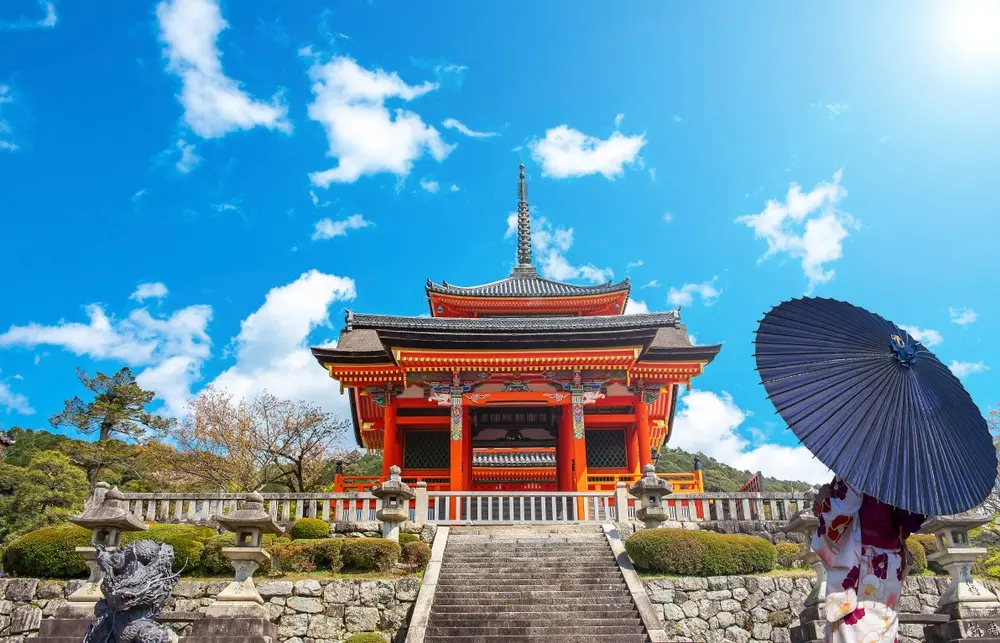
Choose this itinerary to discover some of Japan's former imperial capitals. The most renowned, Kyoto, fiercely preserves its old-world charm: imperial residences, samurai houses, ryokans, geishas… One of Japan's most beautiful temples, inscribed on the World Heritage List, nestles here: Kiyomizu-dera. Next, set sail for Nara, explore its rich collection of temples, including Todai-ji, and unwind in its verdant parks.
Leaving the imperial capitals behind, venture toward the refreshing cities of the western coast. Along the Sea of Japan, lush vegetation meets pristine beaches in famous coastal destinations such as Amanohashidate and Matsue, nicknamed «the City of Water».
Upon arriving at Izushi or Hagi, step out of your car to walk in the footsteps of the samurai. Should fatigue from travel set in, find comfort in the thermal springs of Kinosaki-onsen. Many other fascinating attractions will unfold as your self-drive journey along Japan's western coast progresses: the fishing village of Ine, the Izumo-Taisha Shinto shrine, the Iwami-Ginzan silver mines, and more. Travel at your own pace until you reach your final destination, Fukuoka, the southern capital renowned for its futuristic districts and thrilling street food.
View the itinerary
Journey Through the Japanese Alps
Japan's coastline is magnificent, but countless treasures await you inland throughout the archipelago. Let's start at the beginning: Tokyo, Japan's sprawling capital. Drive slowly among avant-garde skyscrapers, hubs of cutting-edge technology, and centers of j-pop culture. Discover the city's history and traditional culture as a former Edo fishing village by visiting historic neighborhoods, museums, and the Tsukiji fish market.
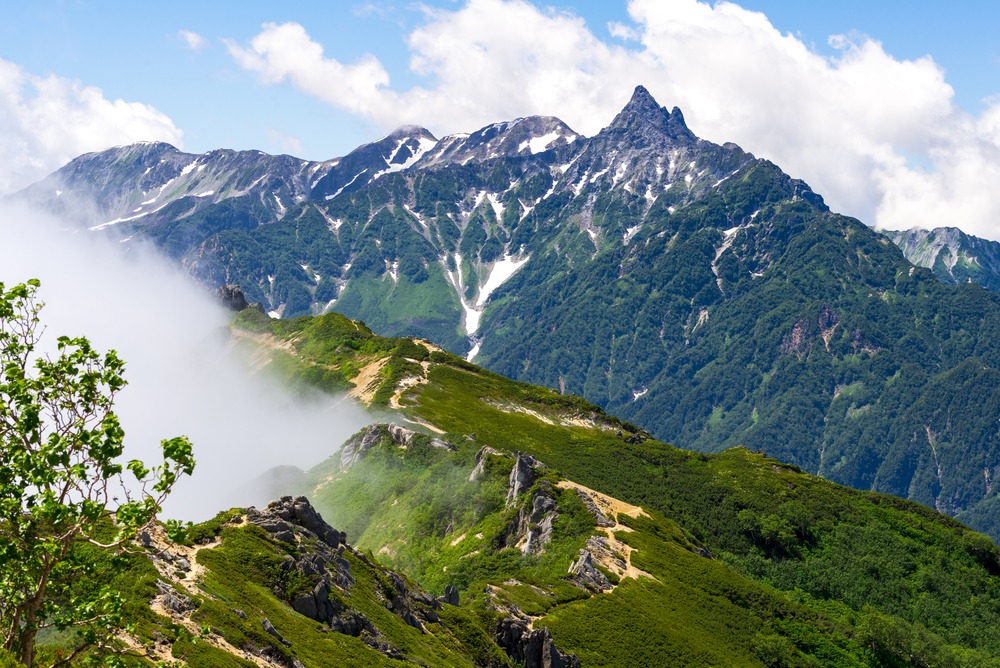
After this thrilling experience, head toward calmer horizons: the Japanese Alps. Your first destination will be the iconic Mount Fuji. Park along the shores of Lake Kawaguchiko to enjoy sublime views of the volcano with its eternally snow-capped cone. From there, several quick excursions are possible to enhance your journey: Mount Kachi-Kachi, the Ichiku Kubota Art Kimono Museum, the Oshino-Hakkai village, and more. Ryokans welcome you if you wish to stay a night or longer.
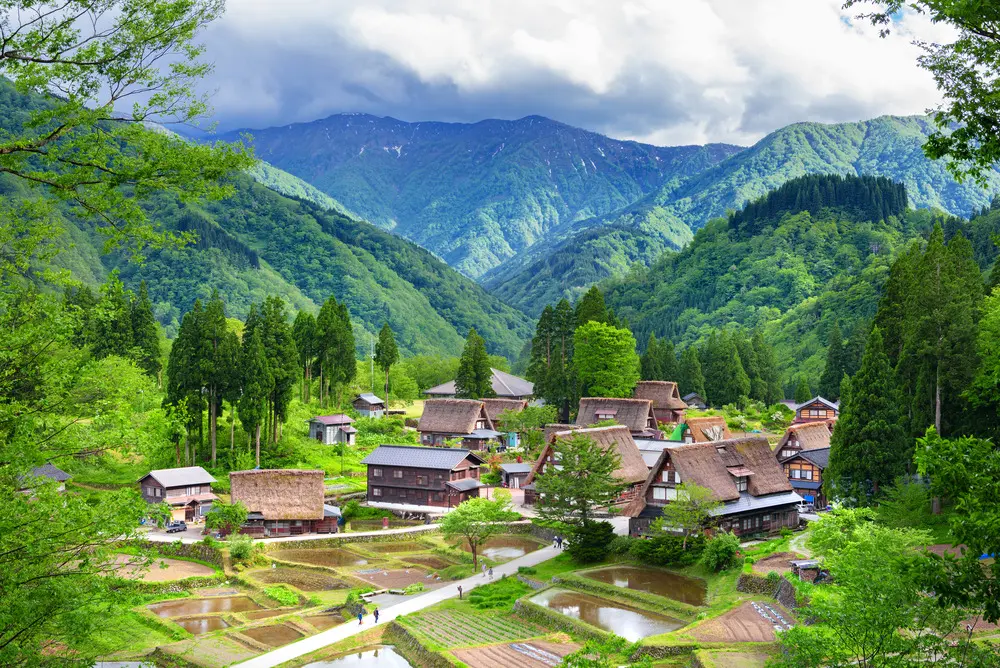
The next stage of your self-drive tour through the Japanese Alps, the city of Matsumoto is surrounded by snow-capped peaks and hosts numerous cultural attractions. After visiting the Crow Castle, resume your drive toward the village of Takayama. Here, the rustic setting punctuated by wooden houses invites an inevitable stroll on foot. Even more bucolic, Shirakawa-go will surprise you with its traditional thatched-roof gasshô-zukuri houses. Then, as you head back to the coast, you'll reach Kanazawa, homeland of samurai, artisans, and geishas. You can end your circuit in Kyoto, or continue toward Nara.
View the itinerary
Discover the Kii Peninsula
This circuit is particularly suited for lovers of spirituality and Japanese mythology. First, clear your mind in Osaka. Dine, refined or casual, in Michelin-starred restaurants and street-food shops of the culinary capital of Japan. Shop in the boutiques along Dotonbori Street. Visit the Golden Castle of Osaka, then in the evening, catch an underground concert in Shinsekai.
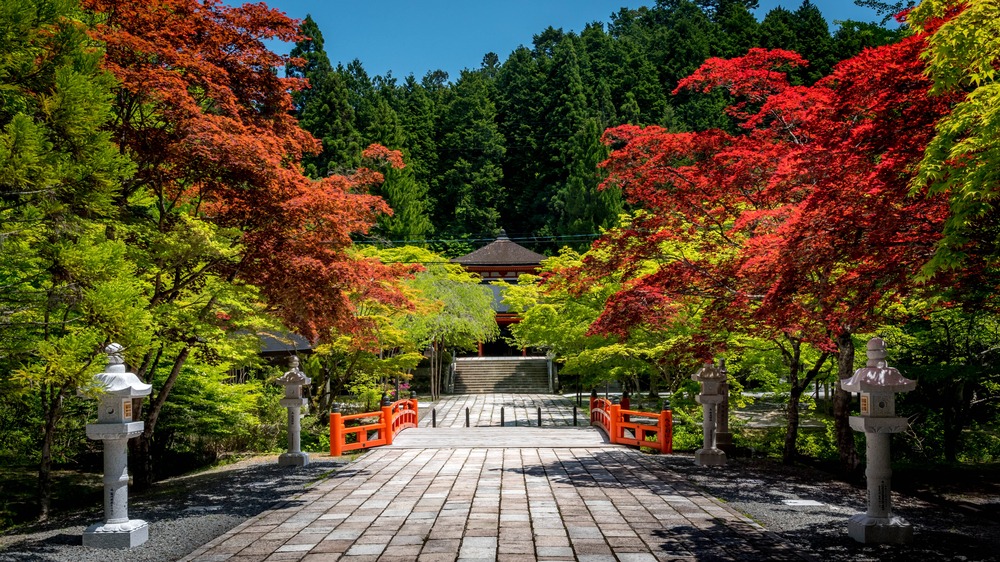
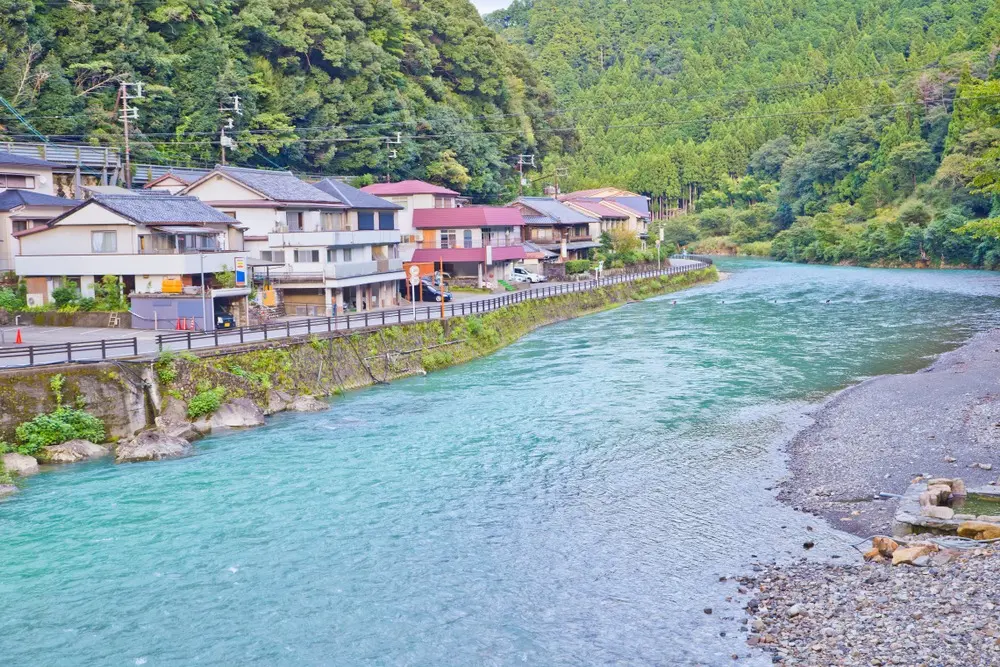
After this relaxing interlude, it's time to get down to business. Hop into your rental car, heading to Mount Koya, the birthplace of the Shingon school of Buddhism. Be sure to visit the Kongobu-ji Temple and the Okuno-in Cemetery. The road trip continues southward through the Kii Peninsula toward Kawayu Onsen, where you can revitalize yourself before tackling the Kumano Kodo pilgrimage trails.
From here, you travel through sacred lands, protected by the benevolent blessing of the three grand Kumano Sanzan shrines: Kumano Hongu Taisha, Kumano Hayatama Taisha, and Kumano Nachi Taisha. Their visit will immerse you in breathtaking natural scenery, from the Dorokyo Gorges to the dizzying Nachi Waterfall. On your way back north, you can stop in the city of Ise, a center of Shintoism, and finish in Kyoto (making sure to visit Kiyomizu-dera and the Arashiyama Bamboo Forest).
View the itinerary
Escape from Kyushu to Shikoku
A self-drive tour on Kyushu Island most often begins in Fukuoka, as it is the southern capital. The Momochi district is its modern showcase, featuring futuristic buildings and shopping complexes. A city of history as well, Fukuoka invites you to reach by rental car its centuries-old monuments such as Dazaifu Temmangu and Komyozenji Temple. Leaving the metropolis, the first recommended stop is Imari, renowned for discovering the ancestral art of pottery and ceramics. Then, experience a moment of nostalgia in Nagasaki, the great victim of World War II. The Peace Park and Atomic Bomb Museum are essential visits.
The adventure continues in nature, at Mount Unzen on the Shimabara Peninsula. Enjoy a hike to revitalize yourself, then see the Shimabara Castle. After that, feel free to continue toward Kumamoto to explore Suizen-ji, stop in the Mount Aso region to enjoy the Kurokawa-onsen hot springs, or head directly to the spa town of Beppu, where ferries depart for Shikoku Island.
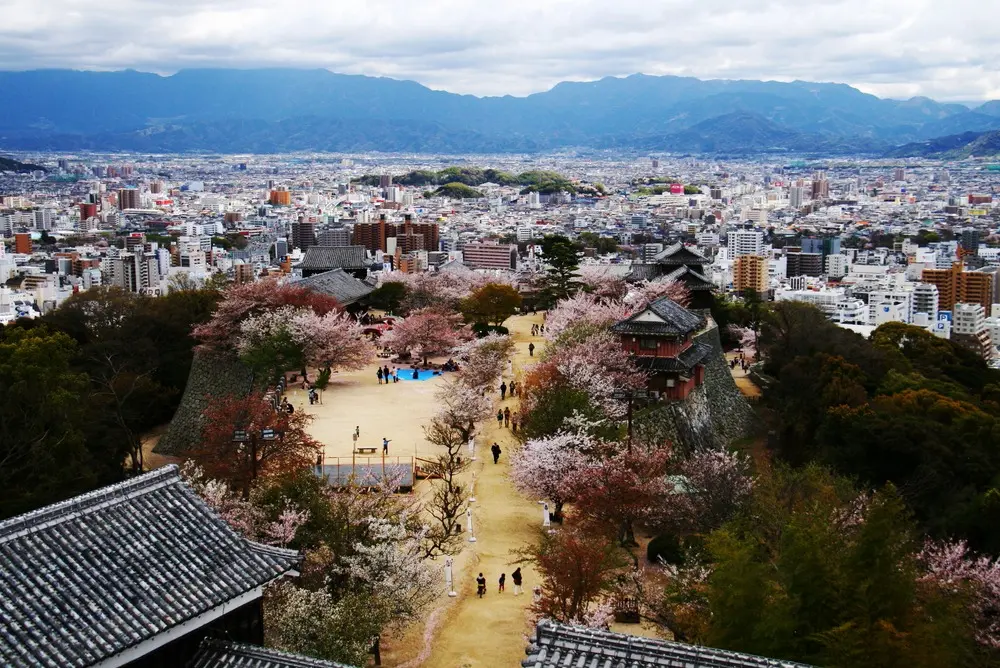
Matsuyama is the main entry point to Shikoku Island. Naturally, it is the starting point for self-drive tours throughout the region. Here, you'll find the (supposedly) oldest hot spring establishment in Japan: Dogo Onsen. Then head east to explore the beautiful Iya Valley, before setting your course north toward Takamatsu. Facing Okayama, this port city is home to the Ritsurin-Koen Garden and the Shikoku Mura Traditional House Museum. Finally, end your journey by celebrating in Osaka.
View the itinerary
Tips for a Self-Drive Tour in Japan
It is neither difficult nor dangerous to drive in Japan. Japanese drivers have courteous and fairly cautious driving habits, road signs are very abundant, and traffic rules are relatively similar to those in France.
Driving License
To drive legally in Japan, you must have your driving license translated by the Japan Automobile Federation. This is a requirement for any foreign motorist wishing to travel with a rental car in Japan.
You can complete the process online or in person at one of the many agencies throughout the country. Translation is very quick—drop off your license in the morning and you can pick it up in the afternoon.
Car Rental
To enjoy the beauty of Japan on a self-drive tour, you will need to rent a vehicle. With your travel agency, you will benefit from an automatic transmission car for greater comfort and ease of driving. Vehicles are equipped with GPS in English. Insurance and protections are naturally included.
Rental vehicles are typically standard category cars such as Prius or Corolla; you can of course request a higher-category vehicle if your budget permits.
Roads in Japan
First, it is important to note that in Japan, driving is on the left side with the steering wheel on the right. This driving arrangement may feel disorienting for the first few minutes, but you'll adjust very quickly.
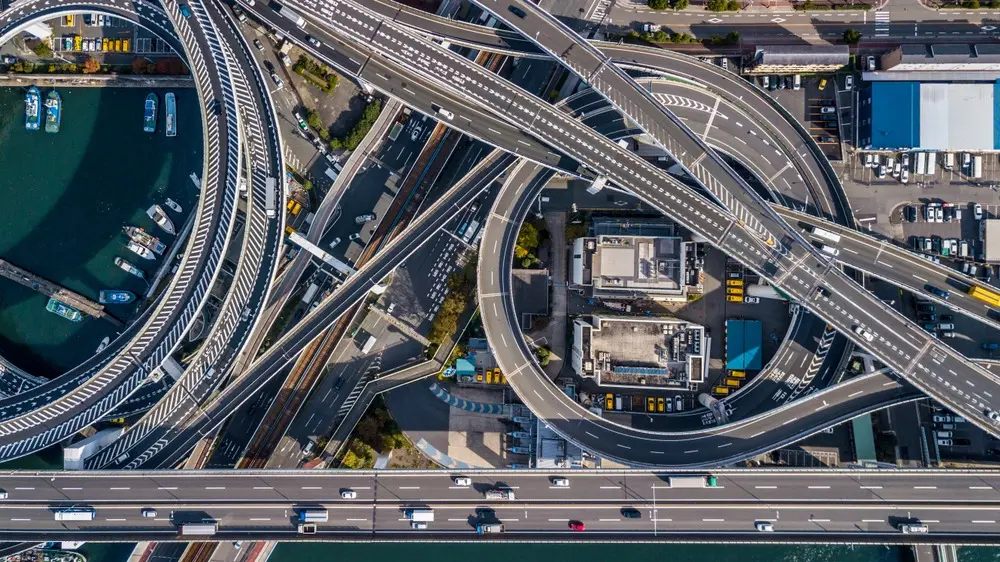
Roads and other infrastructure in Japan are generally very well maintained. For your self-drive tour in Japan, you'll need to budget for tolls, which are generally not included in circuit rates.
In Japan, driving is smooth and steady, with speed limits of 100 km/h on highways, 60 km/h on national roads, and between 30 and 50 km/h in cities. Speed limits are closely monitored in Japan, with numerous fixed-speed cameras. Japanese drivers have adopted these habits and won't encourage you to accelerate.
For more information on driving in Japan, please check our article: Driving in Japan
Frequently asked questions
No, but you must have your driving license translated by the Japan Automobile Federation (JAF). This can be done online or in person in Japan. Drop off your license in the morning and you can pick it up the same afternoon.
The main difference is that driving is on the left side with the steering wheel on the right. This may be unsettling for the first few minutes, but most drivers adapt quickly. Roads are well maintained, signage is abundant, and Japanese drivers are courteous and cautious.
Spring (March-May) and autumn (October-November) are the ideal seasons for a self-drive tour in Japan. Spring offers the famous cherry blossoms, while autumn provides stunning landscapes in golden and red hues. Avoid the rainy season (June-July) if you plan to do a lot of driving.
Japanese highways are toll roads and costs can add up on long journeys. It is advisable to budget specifically for tolls, as they are generally not included in circuit rates. An ETC card (electronic toll collection card) can simplify payment and sometimes offer discounted rates.
Yes, Japanese roads are excellent and well signposted. Some signs feature Latin alphabet (romaji), making navigation easier for foreigners. An English-language GPS is typically included in rental cars from specialized agencies. Note that parking in some urban areas can be challenging.
For a self-drive tour in Japan, a standard category car like a Prius or Corolla is generally sufficient and fuel-efficient. Choose an automatic transmission for greater comfort, especially if you're not used to driving on the left. If traveling in a group or with substantial luggage, opt for a higher-category vehicle.